Fire horse history

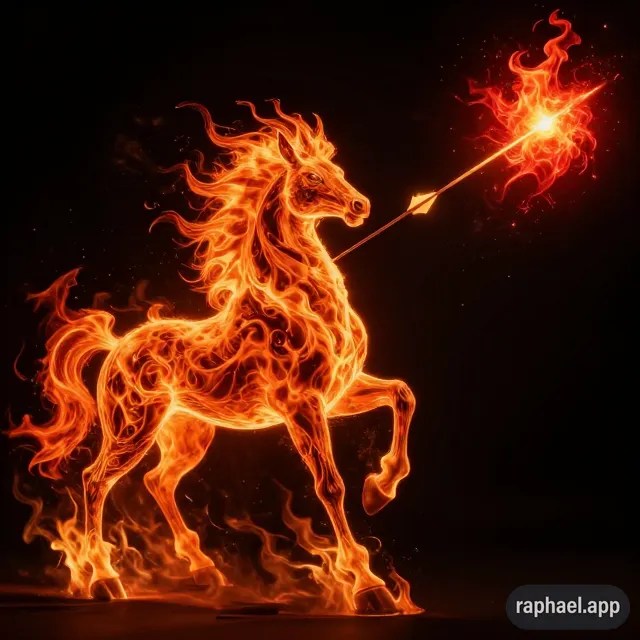
The Year of the Fire Horse begins on 17 February 2026 under an already charged sky, and history suggests this combination does not drift — it accelerates. Fire Horse years arrive every sixty years, and when they do, they tend to coincide with sharp social inflection points. In 1966 the Cultural Revolution ignited and youth movements surged across the West. In 1906 San Francisco was shattered by earthquake and fire, forcing modern seismic reform. In 1846 war redrew continental borders. In 1786 economic unrest exposed governmental weakness and directly paved the way for constitutional redesign. These were not gentle transitions. They were catalytic moments when pressure met ignition.

What links those years is not simple chaos but structural exposure. Weak frameworks crack first. Fire Horse energy amplifies momentum — political, social, ideological. In 2026 we enter with geopolitical conflict already active, democracies strained by polarisation, institutions mistrusted, AI reshaping labour and information at extraordinary speed, and climate stress compounding economic instability. This is not a stable foundation. Under Fire Horse conditions, such tensions do not simmer; they move. Protest movements may sharpen. Leadership turnover may accelerate. Alliances may fracture or realign with unusual speed.

Yet precedent also shows that these years do not merely destroy — they force redesign. The earthquake of 1906 transformed building standards. The unrest of 1786 strengthened constitutional governance. The upheavals of 1966 permanently altered civil rights, cultural norms and generational power. Fire does not only consume; it clears ground for new architecture. In 2026, technological governance, sovereignty debates, economic systems and leadership models are all under review. The speed of change may feel destabilising, but velocity does not equal collapse. It signals transition under pressure.

This year is unlikely to be quiet. It will likely be decisive. The Fire Horse runs, and when it runs, hesitation becomes costly. Old systems that cannot adapt will be dismantled more quickly than expected. But the same momentum can build as well as break. The question is not whether change arrives — it already has. The question is whether it is shaped consciously, or allowed to erupt uncontrolled. History suggests the Fire Horse year rewards bold restructuring and punishes stagnation. The pace will be fast. The outcome depends on how deliberately we choose to ride it.
The ring of fire

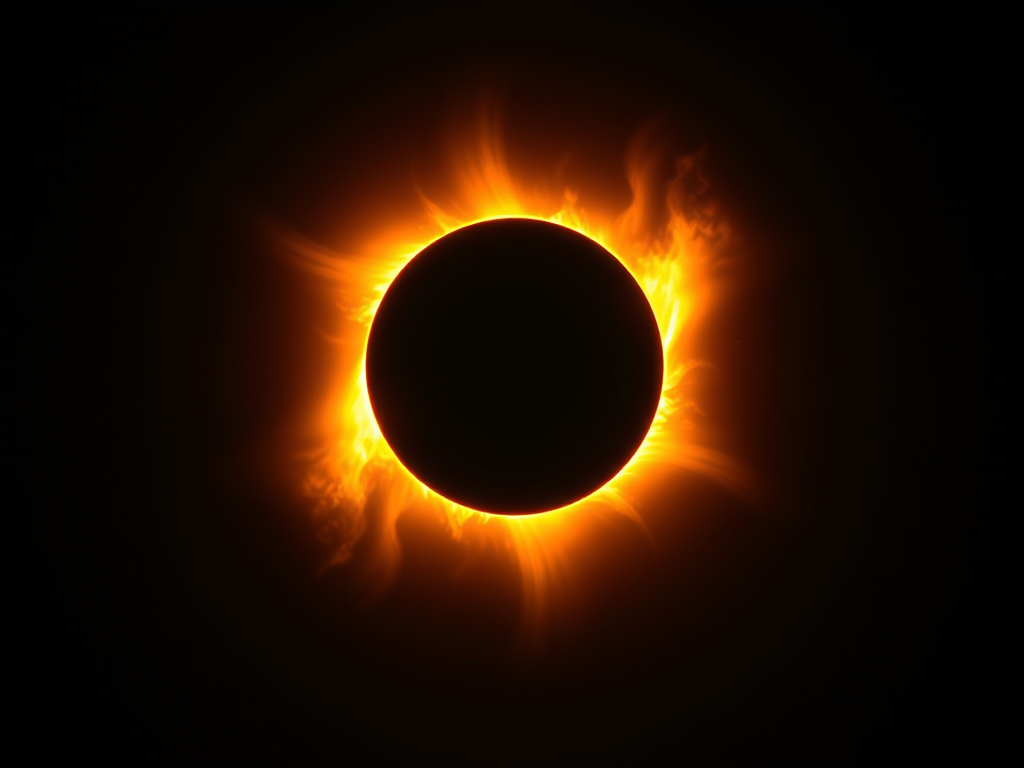
On 17 February 2026 the Sun and Moon meet at the final degree of Aquarius in an annular solar eclipse — a New Moon that does not merely begin a cycle, but completes one. The anaretic degree carries the weight of culmination: systems stretched to exhaustion, ideologies at their limit, networks revealing their fractures. Aquarius governs the collective field — technology, governance, movements, shared narratives — and this eclipse lands precisely where those themes are most visibly strained. Around us: political aggression, protests, instability, disclosures, the sense that old authorities are losing coherence. An eclipse at 29° does not whisper. It closes a chapter.

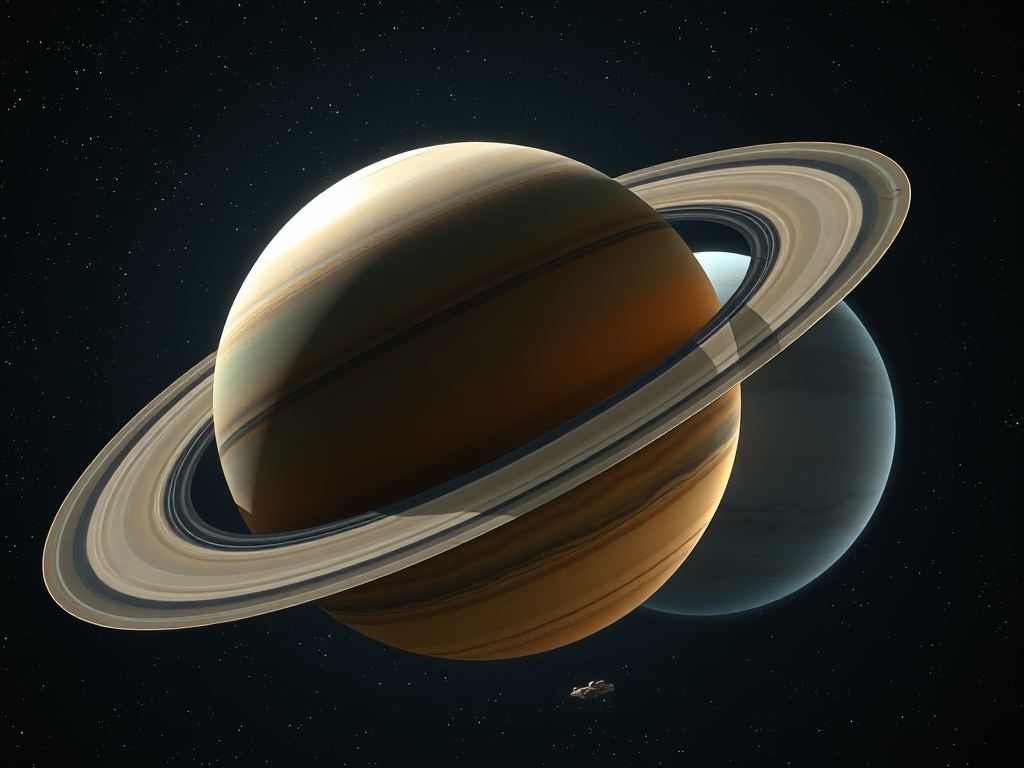
What makes this one structurally unique is timing. Saturn and Neptune converge at 0° Aries — the zodiac’s ignition point. Zero degrees is not a continuation; it is emergence. Saturn brings form, boundary, law. Neptune dissolves and re-mythologises. Their meeting at the Aries Point marks the reset coordinate of a new collective storyline. The eclipse at the end of Aquarius clears the field; 0° Aries begins the next assertion of identity, leadership and direction. The sky is architecturally precise: finish, then initiate.

In the midst of visible chaos — aggression, ideological fragmentation, institutional fatigue — this configuration suggests not collapse but reorganisation. When systems lose stability, human choice becomes amplified. Eclipses expose where we are reactive; Aries demands conscious action. The reset is not imposed from above; it is enacted through decisions made under pressure. What we defend, what we build, what we refuse to perpetuate — these become the scaffolding of the next cycle.

Working through this eclipse means resisting reflex and choosing clarity. Aquarius asks: what collective are you feeding? Aries asks: what are you initiating? The human Earth is not ending; it is recalibrating. Old frameworks are dissolving because they cannot carry the next phase. The 17 February eclipse is a threshold — not into chaos, but into responsibility. Zero degrees signal the beginning, but the beginning depends on us.

The Zero Point

I should have posted this a few days ago -as this alignment is so important – however it is up today – the day before the eclipse – which adds another layer – but that is another post – this is important enough for a single one. Saturn and Neptune are not enemies – they are parts of the whole, the balance, the new vision and need to be integrated as such –

At 0° Aries, Saturn and Neptune meet at the very threshold of the zodiac, forming a conjunction that is nothing short of remarkable. This is not a tension or struggle; it is a rare alignment where vision and structure, imagination and discipline, insight and action converge in perfect balance. Neptune offers the expansive, systemic view, the capacity to perceive what is possible beyond the limitations of the present, while Saturn provides the scaffolding, the material and ethical framework necessary to bring that vision into concrete reality. Together, they create a zero-point of initiation — a moment where the potential of humanity can be consciously anchored, where inspiration and execution are inseparable partners.

This conjunction is profoundly hopeful because it offers a working template for transformation. The cosmic currents encourage us to hold our dreams with clarity and to engage with the material world responsibly. It reminds us that the visions we carry — for communities, for the planet, for life itself — are not idle fantasies but blueprints waiting to be enacted. By integrating the lessons of Saturn’s discipline with Neptune’s insight, we can move beyond scattered aspiration into coherent, practical creation, aligning our actions with the highest potential for renewal.

What makes this conjunction truly beautiful is its invitation: to build consciously from the ground up while keeping the horizon in sight. It is a cosmic moment that validates the wisdom of combining care with courage, imagination with accountability. In the alignment of Saturn and Neptune, the universe offers not only possibility but a pathway, a structural embrace of the dreams we hold. It is a reminder that a more beautiful world is not only imaginable — it is possible, and it can be realized when vision and responsibility work together, hand in hand, at the very start of a new cycle.

Added Value 12 to 18 January 2026


This is a week where cosmic pressure and earthly volatility dovetail in ways that reward clarity, discipline, and foresight. On the astrological level, Mars continues its steady advance through Capricorn (roughly 21°–26°), reinforcing a collective drive for structured results and endurance but also amplifying tensions around authority and ambitions. Jupiter remains retrograde in Cancer, keeping themes of security, protection, and community under review rather than expansion. Saturn and Neptune both linger at the tail end of Pisces, heightening collective sensitivity and symbolic dissolution of old reference points while demanding responsibility and long‑term coherence. Lilith’s direct motion through late Scorpio brings deep questions about truth and ideology to the surface, and Pluto in early Aquarius continues its long structural transformation in social and power networks. Collectively, these transits frame the week as one where actions taken must be measured, purposeful, and rooted in structural understanding rather than impulse

Pressure Points to Watch
Internationally, tensions remain acute and unpredictable. The situation in Iran has escalated into one of the most sustained nationwide protest movements in years, with significant loss of life, mass arrests, and communication blackouts as the regime attempts to contain dissent; external pressures including potential U.S. support and threats of retaliation increase the risk of regional conflagration. In Europe and NATO circles, President Trump’s renewed interest in Greenland — framed as strategic necessity but widely condemned by Danish and Nordic leaders — continues to strain alliances, prompting discussions among Britain, Germany, and other NATO members about joint Arctic deployments to reaffirm collective defence commitments. The BRICS naval exercises involving Russia, China, and Iran off South Africa’s coast underline shifting geopolitical blocs and the challenge to U.S. influence, even if India opts out, reflecting fluid, multipolar tension. Financial markets are responding accordingly; bullion prices are holding firm amid geopolitical risk pricing.

Openings and Strategic Guidance
Under these conditions, the astrology encourages discerned action rather than reactivity. Mars in Capricorn supports disciplined efforts that build long‑term results; this is a time for structuring plans, stabilising resources, and solidifying alliances rather than charging ahead on impulse. Jupiter’s retrograde in Cancer highlights the value of strengthening foundational security — whether emotional, financial, or organisational — before seeking expansion. High collective sensitivity from late‑Pisces Saturn and Neptune suggests that empathetic leadership, careful listening, and measured communication will yield better outcomes than confrontation. This week’s New Moon in Capricorn (around 18 January) further emphasises the value of new beginnings rooted in responsibility and realistic strategy, offering a moment to reset intentions with long‑range coherence in mind. In practical terms, individuals and communities are best served by conserving energy, prioritising clarity over immediacy, and resisting the pull of polarised narratives — the calm centre, this week, will be the source of enduring influence.

Mid-January update

In the sky above mid-January 2026, the most striking astronomical event is Jupiter at opposition just days before this interval, making the largest planet in our solar system unusually bright and symbolically pronounced in Earth’s night sky. Astronomically this means Earth lies directly between Jupiter and the Sun, a configuration that occurs once a year and is visible to all hemispheres as an especially intense beacon. Jupiter’s opposition does not cause events by itself, but it amplifies whatever pressures are already present: geopolitical tension, resource competition, and visible power contests among states.

Overlay this with the astrological architecture of 2026 and the week of 12–18 January becomes striking. Neptune, the planet traditionally associated with collective emotional currents, ideology, and the dissolution of old forms, is completing its long ingress toward Aries — a cycle last seen in the mid-19th century that coincided with civil war, religious upheaval, and tectonic shifts in national identity. Saturn, the planet of structure, authority, and responsibility, is on the verge of entering Aries as well, tightening the tension between old hierarchies trying to hold their ground and emerging forces demanding change. There is a Saturn–Neptune dynamic unfolding that, historically, flags moments when institutional legitimacy comes under intense strain (compare Russia’s revolutions and the end of the Soviet Union under similar cycles).

On the geopolitical stage, 12–18 January sits between the initial shock phase — the direct U.S. extraction of Venezuela’s leadership, which broke decades of post-1945 norms — and the response phase that ripples outward to governments, populations, and alliances. During this week, the diplomatic center of gravity begins to tilt: Latin American states publicly reassess ties with Washington, Europe’s cautious silence turns into strategic recalibration, and global institutions such as the United Nations start to express not just rhetorical concern but the first procedural steps toward legal review and accountability. Coupled with Jupiter’s magnification of what already exists, this week becomes less about isolated events and more about a visible shift in collective sensibilities and political alignments.

Socially and economically, the planetary backdrop encourages crystallisation of undercurrents into public movements and market logic rather than explosive ruptures. Neptune’s transition toward Aries — and Saturn’s imminent arrival — brings a historical parallel not of instant destruction but of structural consolidation and reordering, similar to how post-World War I and post-Cold War eras unfolded around major astrological cycles. Politically, this is the week when protests, debates, and policy shifts begin to gather coherence; economically, resource markets (especially energy commodities and financial instruments tied to sovereign risk) start to price in new multipolar realities rather than older unipolar assumptions; socially, long-suppressed voices and demands gain traction, nudged by the same Neptune current that dissolves outworn narratives. In historical analogues, these transitional weeks don’t trigger an immediate climax; they signal the point at which the world begins to process and redirect the consequences of earlier shocks, making the middle of January 2026 not merely a blip but a pivotal hinge between the “before” and “after” eras.

2026 Forecast

Geo-Zenith Forecast 2026

2026 opens as a structural threshold year rather than a crisis year in the classical sense. Pluto is fully embedded in early Aquarius, no longer transitional but operative, shifting power from territorial states to technological, networked and non-territorial actors. Neptune’s return to Aries in late January marks the beginning of a new ~165-year cycle historically associated with ideologically charged conflicts rather than conventional wars: the English Civil War, the American and French revolutionary era, and the US Civil War all unfolded under this signature. The defining theme is moralised action — people and states act because they believe they must. The Sun–Mars–Venus cazimi cluster in Capricorn in early January activates the 18–19° Capricorn degrees seeded by the Uranus–Neptune conjunction of 1993, reopening unresolved assumptions of the post–Cold War settlement: liberal globalisation, NATO expansion, institutional legitimacy, and managed secrecy. Historically, when these degrees are reactivated, alliances are loudly reaffirmed and quietly destabilised. Expect high-profile summits, peace rhetoric, and structural renegotiations that fail to hold.

From a geo-zenith perspective, the Mars–Saturn conjunction in Aries in April is the year’s main terrestrial pressure point. Historically, Mars–Saturn cycles correlate with military constraints, forced mobilisation, and boundary enforcement rather than decisive victories. In 2026 this conjunction aligns with multiple national charts in Europe and Eurasia, suggesting intensified conscription debates, arms production, and strategic blockades rather than open war declarations. Eris, co-present in Aries, amplifies discord through asymmetric actors, protest movements, and non-state disruption. This resembles the late 1930s and the early 1960s more than 1914: conflict exists, but is fragmented, deniable, and technologically mediated. Jupiter’s passage through Cancer inflates homeland narratives, refugee dynamics, and food-security politics, historically a marker for emotionally charged domestic policy rather than external conquest.

The dwarf planets describe the deeper tectonics. Pluto in Aquarius restructures power through data, AI, space assets, and surveillance infrastructure. Haumea in Scorpio continues its long association with biological, reproductive, and genetic issues, historically surfacing alongside debates on population control and ecological limits. Makemake in Libra keeps legal legitimacy, treaties, and international law under strain, echoing periods like the 1970s when norms persisted but enforcement fractured. Sedna in Taurus remains the slow undercurrent: resource trauma, climate thresholds, and unresolved environmental consequences surfacing through economic shock rather than sudden catastrophe. These bodies suggest that 2026 is less about collapse and more about exposure — systems reveal what they have been quietly doing for decades.

Asteroid and meteoric activity reinforce this pattern of intermittent shock rather than sustained disaster. The Perseids (August) and Geminids (December) peak during already volatile geopolitical windows, historically correlating with sudden disclosures, infrastructure failures, or technological incidents rather than physical impacts. Near-Earth object tracking remains prominent; historically, periods of heightened asteroid discourse (early 1990s, late 1950s) coincide with disclosure pressure and military-space competition. Ceres’ aspects through 2026 repeatedly highlight food supply chains and agricultural resilience, a theme mirrored during the 1940s and 1970s under similar configurations. Taken together, 2026 reads as a year when the future stops being theoretical. Structures don’t fall — they declare what they are, and the world responds accordingly.

THE CRUX

We are living through a celestial fulcrum, a rare intersection where cosmic mechanics mirror the urgency of our terrestrial challenges. The Sagittarius new moon on 19–20 December 2025, occurring just before the winter solstice, places the Moon directly between Earth and Sun — a moment of darkness preceding illumination. The Sun, in its annual path, hovers near the Galactic Centre, the densest, most complex region of our galaxy, while the waning Moon passes close to Antares, the fiery heart of Scorpius. Together, these alignments concentrate the energy of Sagittarius’ archer: focus, discernment, and a direct aim toward structural clarity. This is a cosmic signal that the moment for decision is now — the arrow is drawn, and the target is undeniable.

The presence of Mars in Capricorn amplifies this energy, turning raw intent into strategic force. Mars’ disciplined drive grounds Sagittarius’ expansive fire, transforming insight into action. This is a juncture where ideas meet consequence: there is no room for hesitation or distraction. Historically, high-stakes alignments like this coincide with moments where collective awareness must either act decisively or risk letting inertia, entrenched hierarchies, and self-reinforcing systems dominate. From late Roman civil crises to ecological and social tipping points in medieval Europe, periods when awareness and action failed simultaneously brought cascading consequences — not through punishment, but through unavoidable structural feedback. We are facing systems collapse now, as we did then. But that is not all.

Looking ahead, the annular “ring of fire” eclipse on 17 February 2026, set in the Fire Horse year, will intensify this pattern. The Fire Horse cycle has long been associated with high acceleration, volatility, and transformative energy. Layered onto the Sagittarius–Antares–Galactic Centre alignment, the eclipse marks not a simple cycle, but a structural pivot — a moment where choice is compressed, pressure is visible, and the results of inaction or misalignment propagate quickly. Unlike prior loops such as Cold War nuclear standoffs, this one is slow, systemic, and planetary. The stakes are not abstract: the environment, societies, and systems are already responding to accumulated pressure, and the wave of awakening must meet the undertow of inertia decisively.

Taken together, this constellation of factors is more than symbolism. It is a turning point in timing, awareness, and action. The archer’s aim is precise: clarity of intention, alignment with systemic reality, and the courage to act in coordination with what the universe is demanding. Delay allows entrenched structures to dominate; decisive, informed movement allows adaptive intelligence to guide outcomes. In historical precedent, high-stakes loops have rewarded those who recognised the structural signals and acted within their window. This Sagittarius new moon, the solstice, the Galactic Centre, Antares, Mars, the approaching eclipse, and the Fire Horse cycle collectively highlight that the fulcrum has arrived. The question is not whether we can act, but whether we will act wisely and swiftly enough to align with what is required. So – will we?

The week 17th – 23rd November 2025

As the Sun shifts from Scorpio into Sagittarius this week, expect a pivot in collective tension: the deep, secretive energy of Scorpio gives way to Sagittarius’s drive for truth, exploration, and big-picture risk-taking. That shift will tend to push people out of their comfort zones, especially around beliefs, travel, and long-term aspirations. Politically and socially, this could manifest as bold statements, sudden calls to expand or take more visible risks — perhaps new alliances, big announcements, or exposure of hidden agendas. Watch for a restlessness, especially mid-to-late week, as the mood amplifies and people demand more meaning or direction.

Complicating that is the new Moon on the 22nd, which likely brings a moment of emotional climax or a turning point. There may be a surge in vulnerability — hidden tensions erupt, or long-suppressed needs become urgent. In combination with the Sagittarius Sun, this isn’t about retreating: it’s a push to express, to take a leap, or to act on something that’s been simmering. There’s potential for breakthroughs, but also for misjudged risk or overconfidence if people don’t balance idealism with grounding.

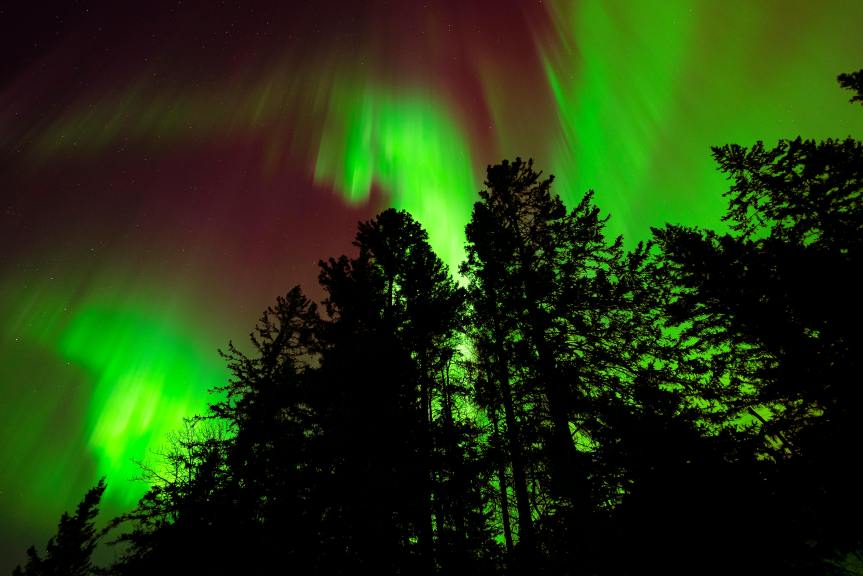
Finally, there’s real ongoing space-weather risk: recent CMEs (coronal mass ejections) are triggering strong geomagnetic storms. This makes the aurora borealis stronger than usual even at lower latitudes as we have seen. On a symbolic level, that’s huge: the magnetic storm signals external interference, disruption, and a surge of raw, cosmic energy. Practically, it could affect communications, navigation, and technology (as well as delicate brain functions) — so be cautious with high-stakes tech decisions this week, back up data, and don’t be surprised with unexpected and puzzling glitches or delays. Use the aurora energy to enjoy the beauty of the world more, allow the powerful and the volatile.

The week 10th – 16th November 2025

The week of 10–16 November 2025 opens under volatile skies, both literally and politically. Mars conjunct Mercury in Scorpio sharpens words into weapons and drives impulsive decisions; diplomacy and military command alike are walking on glass. The Sun forms tense angles to Uranus, signalling abrupt reversals—expect surprise resignations, data leaks, or technological failures at critical moments. Astronomically, solar flares remain active and geomagnetic storms are forecast midweek, potentially disrupting communications and amplifying human tension. The Moon waxing through Pisces and Aries heightens emotional tides; what begins as intuition could spill into outrage.

Globally, energy grids and trade routes remain vulnerable. Continued strikes on Ukrainian infrastructure and deepening economic divides in the Americas echo the wider instability of Uranus in Taurus—financial shocks, sudden sanctions, volatile markets. South American nations push back against foreign economic control, while the Middle East edges between fragile truces and theatrical diplomacy. Flooding, seismic rumblings, Japan is at risk – and unpredictable weather patterns – the Philippines are at risk – these trace Neptune’s restless influence through Pisces, reminding humanity that nature itself is the loudest voice this month.

This is a week when truth and chaos travel side by side. Facts must be checked twice, and motives examined thrice. The best way through is restraint: choose precision over noise, compassion over drama, and wait for the solar winds to pass before making irreversible decisions.

The week of 3rd-9th November – with the full moon in Taurus

For the week of 3–9 November 2025, the skies and the planet both feel drenched in water-energy and charged transition. The Moon approaches its full phase—scheduled on 5 November in Taurus—which weighs heavily on security, values and practical foundations. At the same time, solar wind speeds remain elevated and the interstellar object 3I/ATLAS is actively passing near the Sun’s influence zone, carrying with it magnetic interactions predicted between 30 October and, now – early November. Astrologically, this week resonates with a Grand Water Trine (already active) and several Uranus oppositions—meaning emotional undercurrents surge, truths emerge, and infrastructure and information systems face sudden shocks.

In practical terms you should expect the emotional and the material to collide: storm systems and flooding become more prominent (Neptune/Pisces weather axis), while at the same time supply chains, commodity logistics and trade hubs—especially those under Uranus/Taurus stress—may suffer abrupt jolts. Communications and transport disruption are more likely when geomagnetic interference is high. Politically, revelations (thanks to Mercury-Mars conjunctions) will force reactive leadership, rushed decision-making and elevated visibility. The water-rich signature means humanitarian crises (famine, migration, displacement) will reach new turning points this week; the Moon’s turn into Taurus on the Full Moon amplifies security anxieties around food, shelter and access.

This is a week to move with intention rather than impulse. The emotional volume is high, but clarity comes through calm observation. Let the moonlight expose what needs repair, but don’t fix everything at once. Prioritise what matters most—integrity, clarity, steady connections—and protect your energy where flood-tide momentum tries to sweep you off your feet. In doing so you align with every major celestial movement this week: grounded yet adaptive, feeling without being flooded, resilient without being rigid.

The week ahead 27th Oct. – 2nd Nov. 2025

The week opens beneath a charged sky. A grand Earth trine between Pluto in late Capricorn, Uranus in Taurus, and Vesta in Virgo steadies global structures even as pressure mounts within them. The Sun in Scorpio aligns with Jupiter, intensifying revelations about corruption, covert alliances, and the hidden costs of power. Solar activity is unusually strong—flares, storms, and geomagnetic turbulence mirror the instability in human systems. Neptune’s pull through Pisces blurs moral boundaries, and as 3I Atlas moves close to the Sun, its reflected light symbolises exposure: secrets that can no longer remain buried.

On Earth, the same alignment translates into extreme weather and seismic volatility. The South Pacific and Caribbean show heightened tectonic stress, while global flooding and violent storms reflect the ongoing Neptune–Saturn tension. Politically, crises converge. The Middle East enters another volatile cycle under Mars’s influence, while the United States faces renewed confrontation with South America. The aggressive stance toward Venezuela and other left-leaning nations marks the re-emergence of old imperial patterns, yet the astrology suggests reversal. Uranus in Taurus empowers resource independence, and Pluto’s slow breakdown of Capricorn hierarchies signals that the age of unilateral dominance is ending.

Economically and spiritually, this is a crossroads week. The grand trine offers a chance to rebuild on practical, ethical foundations if nations choose cooperation over coercion. The energies of Scorpio season demand truth, even when it disrupts comfort. As Jupiter expands whatever it touches, public awareness and protest movements gain momentum worldwide. In this atmosphere of revelation and reckoning, the wisest path—both personal and collective—is calm resilience: grounding amid flux, humility amid pride, and integrity amid collapse. The cosmos, as ever, insists on renewal through exposure.

The week ahead 20th – 26th October 2025

The sky presses on illusions and demands reckoning. Neptune, now preparing to shift back into Pisces on 22 October, grows more introspective and sensitive—its veil over collective consciousness thins, revealing both beauty and decay in what we’ve idealised. As Venus opposes Neptune (a tension in relationships, values and truth) this week, many may confront romantic or social illusions, discovering that what seemed solid was built on fantasy. Meanwhile Libra’s influence remains potent: the Sun, Moon or luminary angles touching Libra will sharpen the demand for fairness, mediation and balance, especially in diplomatic or social flashpoints. The trade war tensions between the U.S. and China, recent global economic warnings, and accident-prone supply chains all reflect a world negotiating illusion and structure in real time. The IMF’s cautious optimism amid tariff friction signals that stability is fragile and contingent.

Astronomically, the week opens with the backdrop of the Draconid predictions (especially around October 8) still echoing in the sky, reminding us that small unseen particles can magnify into spectacle. Comet 3I/ATLAS looms ahead, with forecasts of ion tail interactions later this month beginning to frame cosmic narratives that may be co-opted by media or states seeking symbolic leverage. Solar wind remains elevated, with geomagnetic fluctuations likely mid-week; these can subtly scramble communications, making image and evidence releases riskier, especially in contested zones. The reentry of Neptune into Pisces will mark a softer cycle of collective feeling, but until then, many will feel a particulate tension—between what the world demands and what the heart knows.

In the world’s theatre, expect that leaders pressed by visible faults will respond with more spectacle than substance. The Gaza Peace Summit (13 October) set a recent precedent: high emotional stakes, political posturing, and fragile agreements. This week, we may see talk of enforcing mechanisms, tightened conditions, or renewed confrontations if those mechanisms fail. Meanwhile, the re-calibration of economic growth forecasts—by the IMF and market watchers—adds pressure on governments to present credible strategies, even in zones where capacity is limited. With Neptune’s transition imminent, the public may demand authenticity, forgiveness of illusions, or recalibrated trust in institutions. Unexpected disclosures, diplomatic pivots or mass protests seem likely to cluster around mid-week moments when light and shadow shift together.

The week of 13th 19th October 2025

The week arrives under a heavy, insistently practical sky and a world already reacting to shocks. Pluto stations direct in Aquarius on the 13th, ending a long retrofit of power dynamics and signalling a renewed push from collective movements and institutional reconfigurations; that transit gives groups and networks momentum to either harden tactics or finally convert pressure into policy. At the same time Mercury remains in Scorpio, favouring sharp release and high-stakes disclosures — the kind of verified satellite imagery, legal filings and investigative pieces that force immediate responses rather than slow negotiations. Those two currents meet the material fragility created by Uranus in Taurus and lingering Mars–Uranus tension: supply lines, ports and energy routes remain especially exposed this week, and corporate and insurance markets will be watching any flicker of stability in shipping lanes for immediate price reaction. Evidence of this sensitivity is visible in the shipping sector’s jitters as markets price the possible reopening of Suez/Red Sea routes in the wake of ceasefire diplomacy.

Under that same overlay the planet-wide humanitarian picture will continue to shape headlines and political choices. The earthquake sequence in the Philippines – the very large offshore quake – and continuing aftershocks keep Pacific coastlines on alert and will siphon emergency capacity and attention into the region; where domestic disaster relief is stretched, international logistics and aid corridors face added delay. Simultaneously, the chronic pressure in the Sahel, Sudan and the Horn — where blocked roads, weather and conflict already impede food movement — will be magnified by fresh maritime and port disruptions, meaning that October’s fragile pauses in hostilities are unlikely to translate into sustained access without concerted, securitized corridors. Practically, that means this week will see more urgent diplomatic shuttle-diplomacy and rapid-response funding appeals rather than immediate large-scale relief. The maritime problems now include Venezuela and other sensitive areas in South America.

The astronomy and near-space picture is unusually prominent for October and threads through public perception in ways that matter politically. Comet and interstellar visitors — especially Comet C/2025 A6 (Lemmon) brightening for observers and the interstellar 3I/ATLAS moving toward perihelion at month’s end — are creating nightly spectacle and a powerful symbolic frame that activists, media and officials can (and will) use to time disclosures, press conferences and symbolic gestures; scientifically the objects are fascinating and harmless to Earth, but socially they become windows for attention. Meanwhile the Space Weather Prediction Center continues to register elevated solar activity and a variable geomagnetic outlook that can aggravate communications noise, satellite interference and even the timing of sensitive telemetry used by NGOs and militaries; when public disclosures coincide with geomagnetic disturbance, real evidence tends to gain or lose traction more quickly than usual depending on signal quality and timing. Taken together, the cometary attention, ongoing meteor shower backdrops and the mid-October Pluto station give an emotionally potent canvas on which fast, dramatic narratives are likely to be painted — expect more timed releases and high-visibility moments this week.

From a geo-zenith perspective the map points to the same hotspots we’ve been tracking but with heightened probability this week: the Red Sea/Gulf of Aden approaches (Bab-el-Mandeb and adjacent maritime meridians) and Suez corridor remain the primary astro-stress lines where Uranus/Taurus energy culminates, so any incident there will ripple into insurance, rerouting and humanitarian cost inflation; the Gaza coastal arc and adjacent Mediterranean longitudes are under a disclosure/visibility signature that will amplify any maritime or legal incident into a diplomatic crisis; Kyiv-Crimea and Black Sea shipping lanes continue to sit on the Uranus-tension axis for Europe’s energy and grain routes; and the Pacific arc around the Philippines is under seismic disruption and humanitarian strain that will demand logistical prioritisation. The practical advice for planners and activists this week is the same: synchronise verified evidence releases to windows of maximum communications clarity (check local geomagnetic forecasts), prioritise secure, militarized aid corridors when ports are uncertain, and use the Pluto-direct momentum at international fora to push for binding, enforceable humanitarian measures rather than symbolic statements.