The human brain is sensitive to electromagnetic fluctuations, particularly in the 0.5–40 Hz range of natural brainwave activity (delta through gamma). Piezoelectric-like calcite microcrystals in the pineal gland transduce environmental electromagnetic signals into electrical or chemical responses, influencing circadian rhythms, hormone production, and thus also cognitive or emotional states. While the effects are subtle, they are measurable under controlled conditions and explain some behavioural or mood changes during geomagnetic disturbances.
Researchers note that periods of heightened solar activity correlate with shifts in collective energy, decision-making, and societal tension. Astrologers similarly interpret strong solar events as times of increased emotional volatility and sensitivity, both individually and collectively. Individual responses vary, but global geomagnetic shifts appear to align with periods of systemic stress, unusual weather patterns, or heightened awareness.
Astronomers, space agencies, and observatories monitoring the Sun emphasise that solar events interact with Earth’s magnetic field, affecting satellite operations, communications, and navigation systems. When combined with ongoing seismic, volcanic, and extreme weather activity, there is a complex network of environmental signals to which humans are subtly attuned, both physiologically and behaviourally. As we are also electromagnetic beings, having an, aura or electromagnetic field.
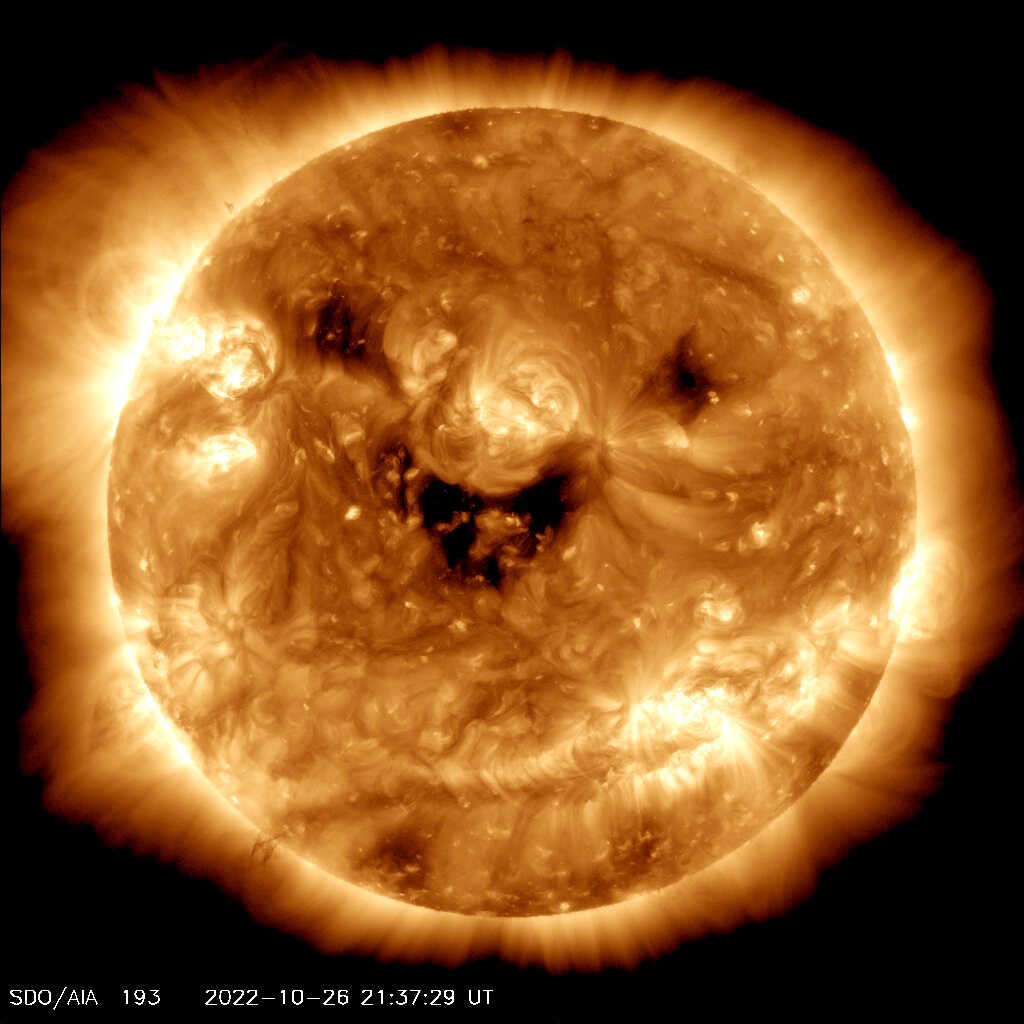
All solar activity produces measurable geomagnetic effects that influence brainwave patterns, pineal gland activity, and human emotional states. Astrological and scientific observations converge on the conclusion that these periods of heightened solar activity are associated with heightened sensitivity and shifts in collective behaviour. So, there is change happening now during these extreme solar conditions. We can all feel it, we can see it, we know – and soon we will have the eclipse season, which will truly be noticeable events – both inner and outer.
 ASTROLOGY CRUCIBLE